


Introduction
On heavy-duty trucks and buses, brake drums take on more mechanical and thermal stress than any other part of the braking system. Their actual durability depends on more than the part itself: maintenance practices, vehicle type, operating environment, and driving style all shape it. Several abnormal drum conditions point straight back to driving habits that quietly shorten the life of your brakes.
5 Brake Drum Issues and the Habits Behind Them
Recognizing these distinct wear patterns allows drivers and fleet managers to identify damaging habits early, preventing premature component failure and costly downtime. Below are some common conditions of brake drums:
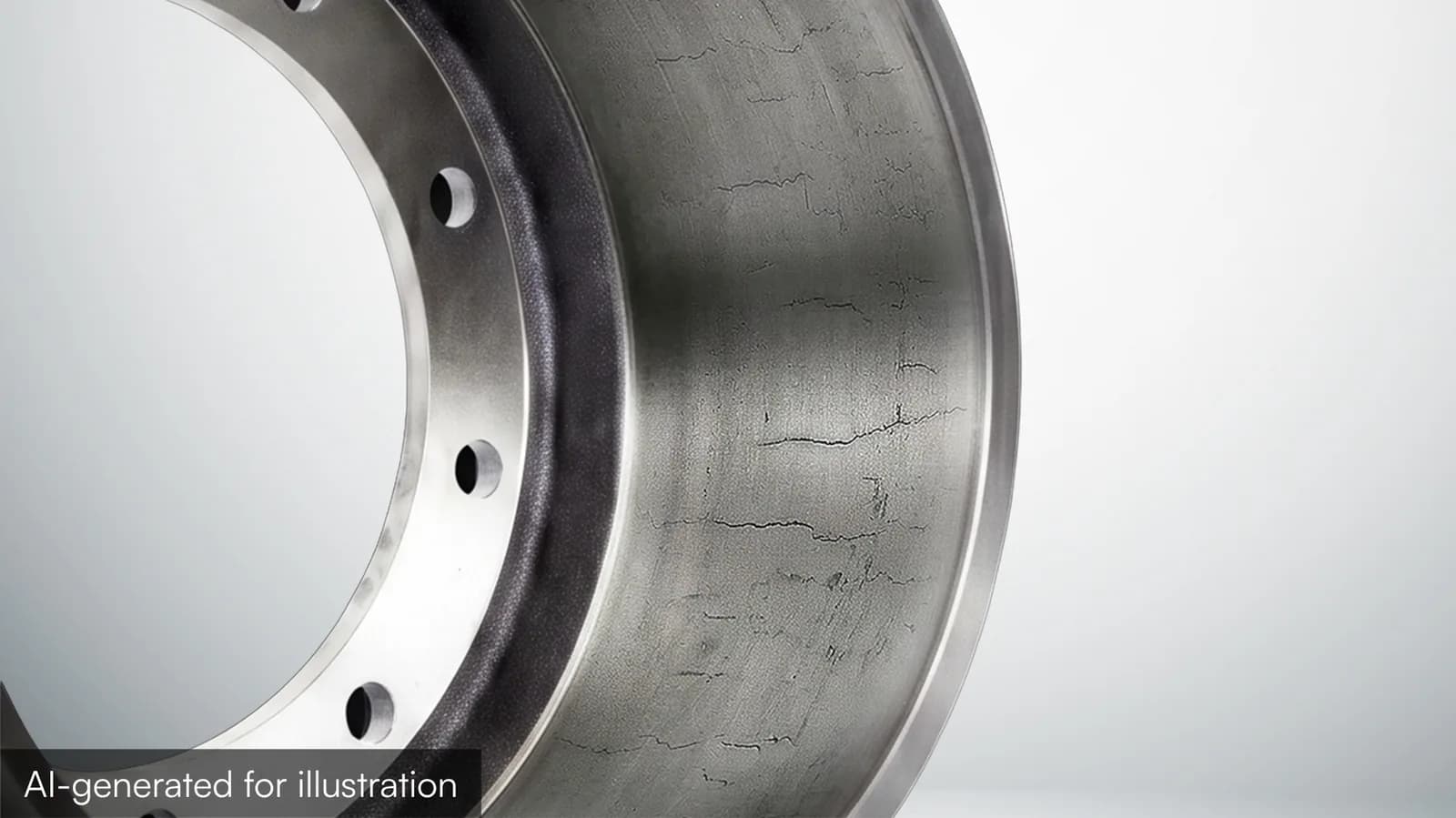
1. Heat Checking (Craze Cracking)
A fine web of surface cracks, known as craze cracking, or heat checking, signals thermal overload, especially alongside a soft, fading pedal, weaker stopping power, and a burning smell. It comes from riding the brakes down long grades and steep passes. The continuous friction builds heat faster than the cast iron can shed it, glazing the brake linings and overheating the drum.
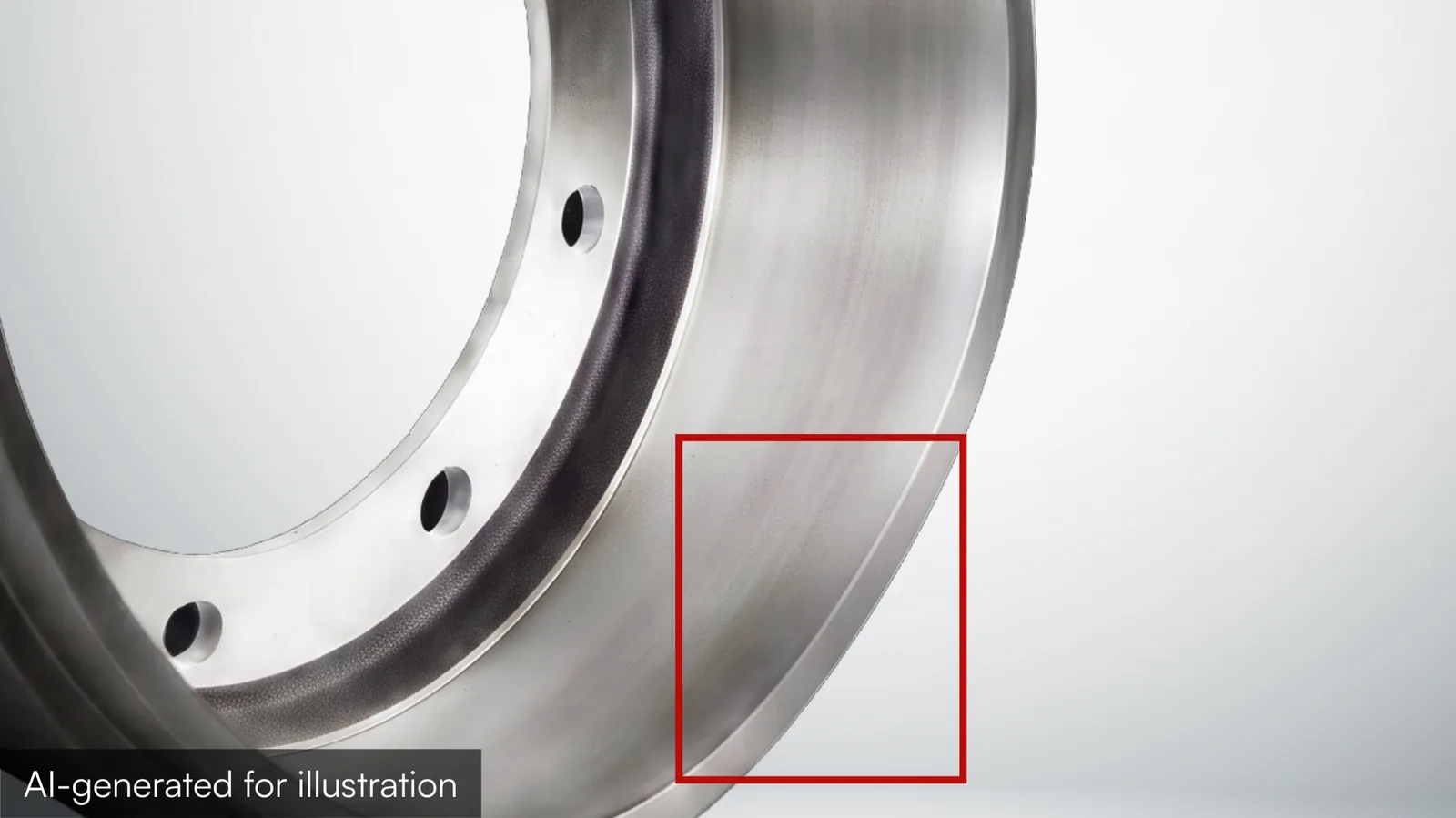
2. Deformed (Out-of-Round) Brake Drum
Vibration, judder, a shaking steering wheel, or a pull to one side each time the brake is applied usually means the drum has gone out-of-round from uneven wear and heat. The cause is repeated hard, high-speed stops, especially under load. Severe, uneven heating expands the drum, and once it's pushed past its yield point while hot or cooled unevenly, it distorts and loses balance.
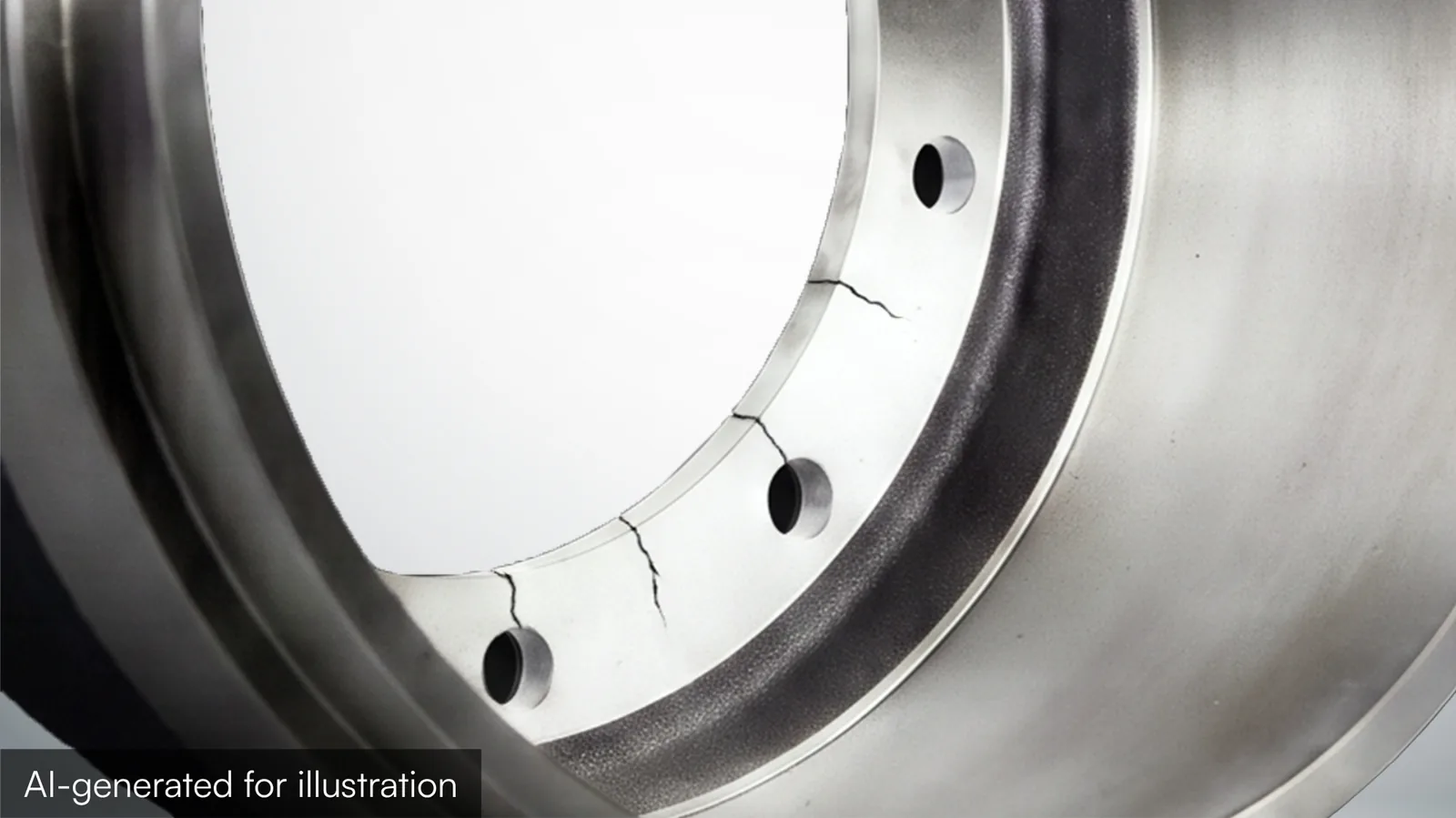
3. Large Cracks, Structural Fractures, or Broken Brake Drums
These severe structural failures, often accompanied by sudden wheel grabbing or lockup, typically trace back to thermal shock. Spraying cold water onto a hot wheel end, or hitting a deep puddle right after a long descent, drops the drum from several hundred degrees Celsius to ambient temperature in seconds. The brittle cast iron contracts unevenly and cracks or shatters.
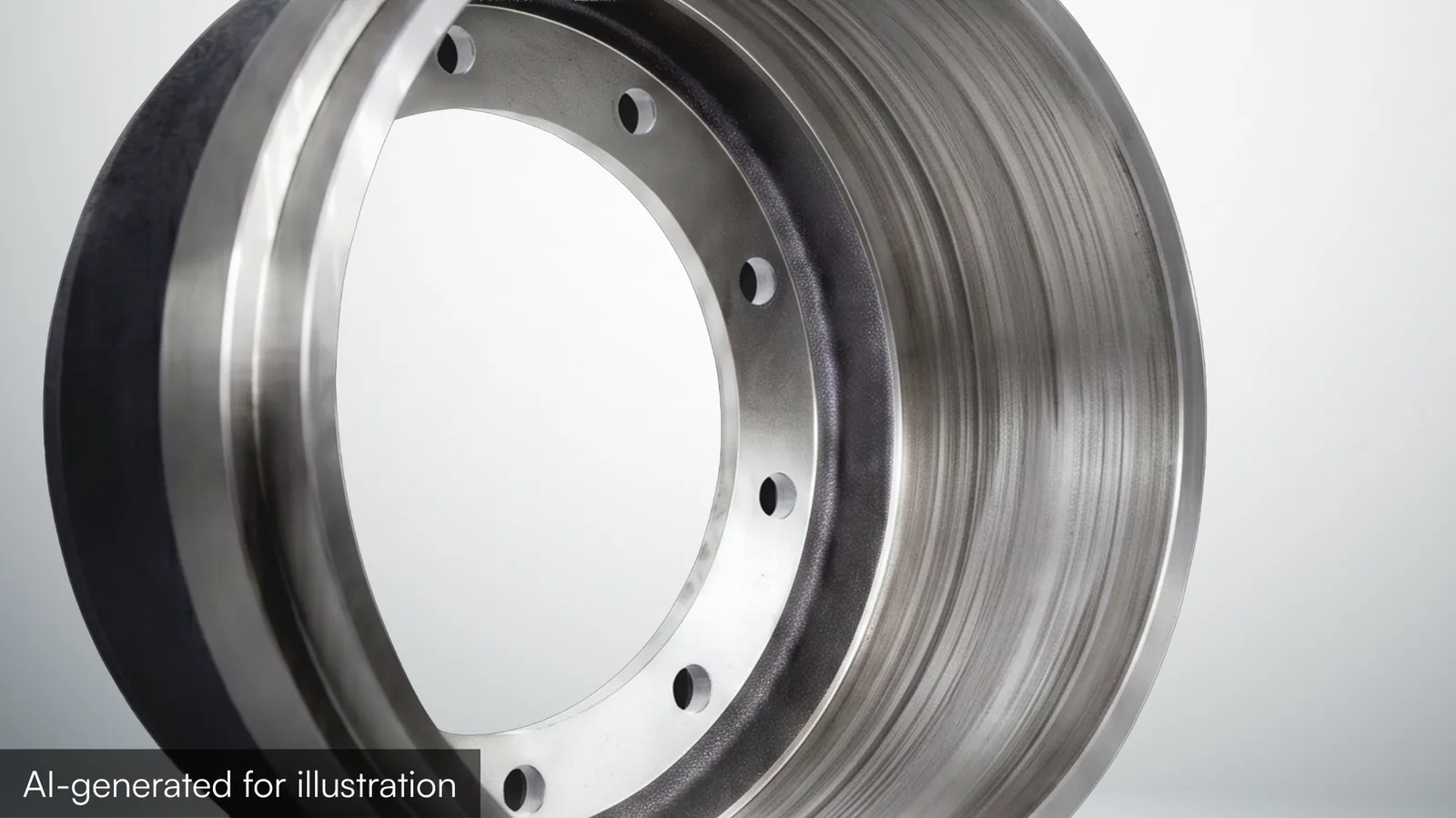
4. Deep Circular Grooves on the Inner Drum Surface
Deep circular scoring on the friction surface, together with unusually long pedal travel or brake stroke, points to sustained heavy wear. It builds up from leaning on the foot brake alone, without the engine or exhaust brake, and becomes worse with worn linings or grit trapped between the lining and the drum.
5. Blue-Black Thermal Hard Spots
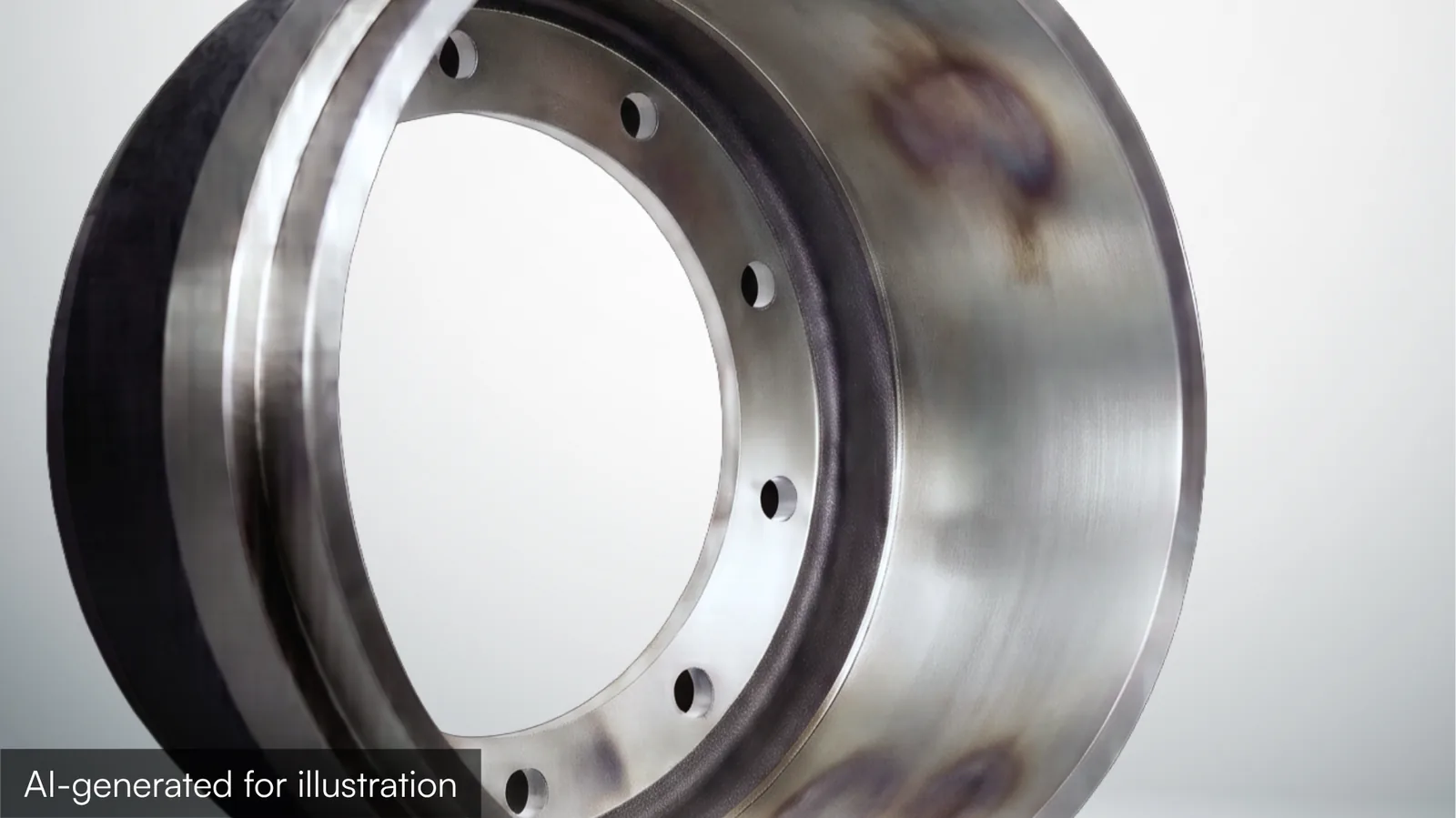
Blue-black discolored patches, or hard spots, cause brake shudder at low speed. They form when part of the drum gets extremely hot and then cools fast. Holding the brakes clamped right after a heavy stop concentrates heat under the shoes; when you release and drive on, that patch quenches quickly against the cooler metal around it.
The rapid heat-then-quench cycle tints the iron blue-black and hardens its structure, leaving raised patches on the friction surface that wear unevenly.
Pro Tips to Extend Brake Drum Lifespan
Detecting abnormal drum symptoms allows for an evaluation of driving behavior, but mastering these few habitual techniques goes a long way in ensuring safety and extends the lifespan of the braking system.
- Use engine braking on descents. Before a downgrade, shift into a low gear matched to the slope and load, and engage the exhaust or auxiliary brake. Letting the engine do the work of slowing the vehicle takes the load off the foot brake, keeps the drum at a safe temperature, and holds off brake fade.
- Apply firm, intermittent braking. Instead of dragging the brakes, press firmly for a few seconds to shed speed, then release fully. That gap lets air cool the drum and shoes, keeping friction steady for the next application.
- Anticipate traffic and let heat escape. Reading the road early lets you ease off the throttle and downshift rather than brake hard. After a descent, let airflow cool the drum as you cruise on level road, and never hit it with cold water.
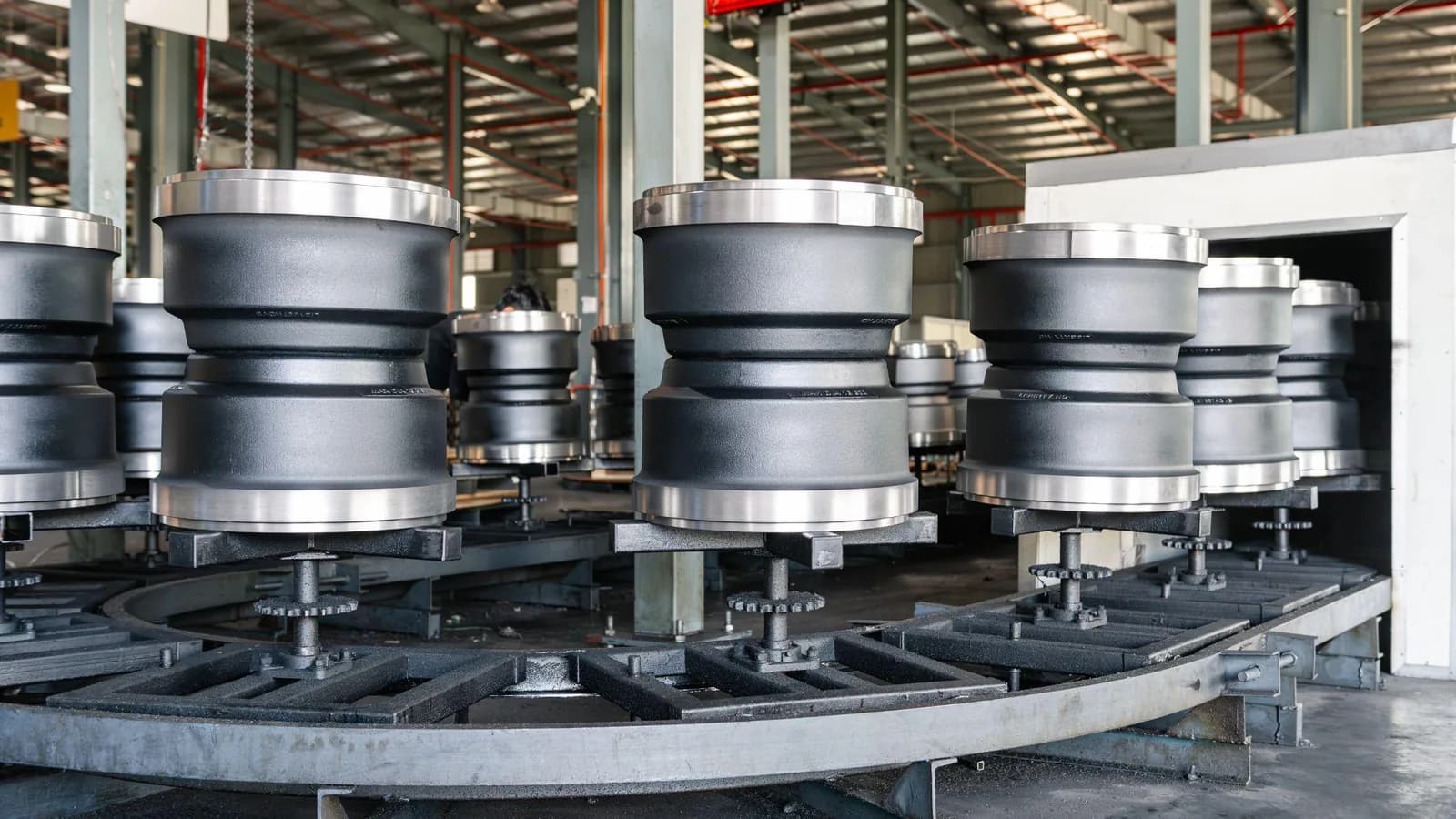
- Choose high-quality brake drums. Material sets the ceiling on durability and load capacity. TBP Auto brake drums are cast from G3500 gray iron for strong thermal-shock resistance and rapid heat dissipation, which keeps the whole system running smoothly and stretches service intervals.
By understanding proper maintenance and practicing good driving techniques, you can significantly extend the lifespan of your brake drums.
Conclusion
The condition of your brake drums and shoes drives both safety and performance, so it pays to check them often. Regular inspection and timely replacement keep the drums and the whole braking system working the way they should.
The bigger gains, though, come from behind the wheel: using the engine on descents, braking in firm intervals instead of dragging, and giving the drum time to cool. Spot the symptoms early, fix the habit behind them, and the payoff is a braking system you can trust on every trip.
Sourcing drums built to take the heat? Browse the TBP Auto catalog or request a quote today.