

Introduction
A spectrometer reports what is in the iron. Reading that report well, knowing the sample was taken correctly, that the instrument is true to its calibration, and what a carbon figure asks of the furnace, is the work of the people operating it. Hitachi High-Tech came to our Hung Yen factory to build that capability into our team.
Hitachi High-Tech Training at Our Hung Yen Factory
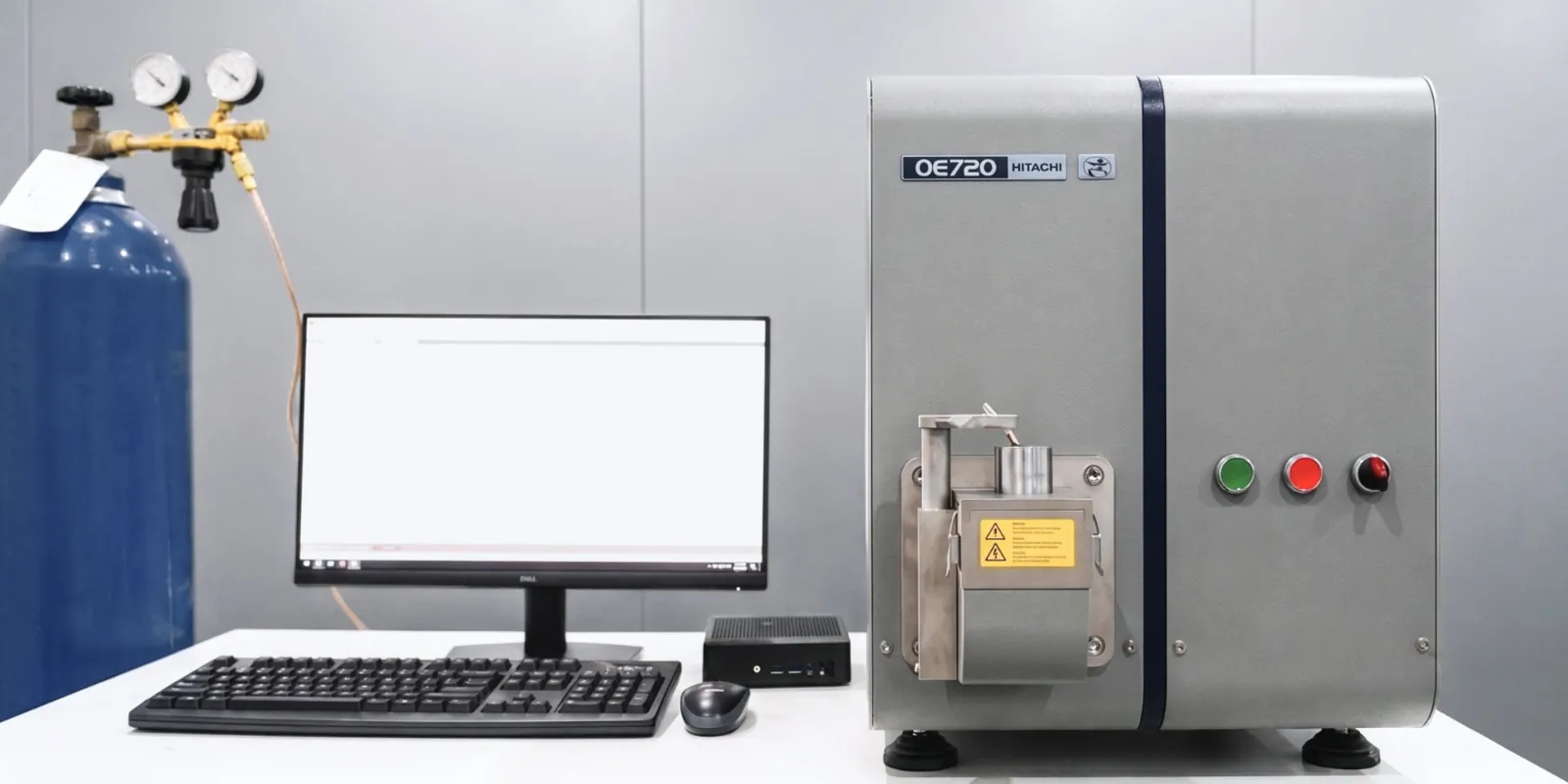
Hitachi High-Tech authorized technicians ran the sessions on the OE720 installed alongside our new casting line, using samples drawn from our own melts rather than demonstration samples.
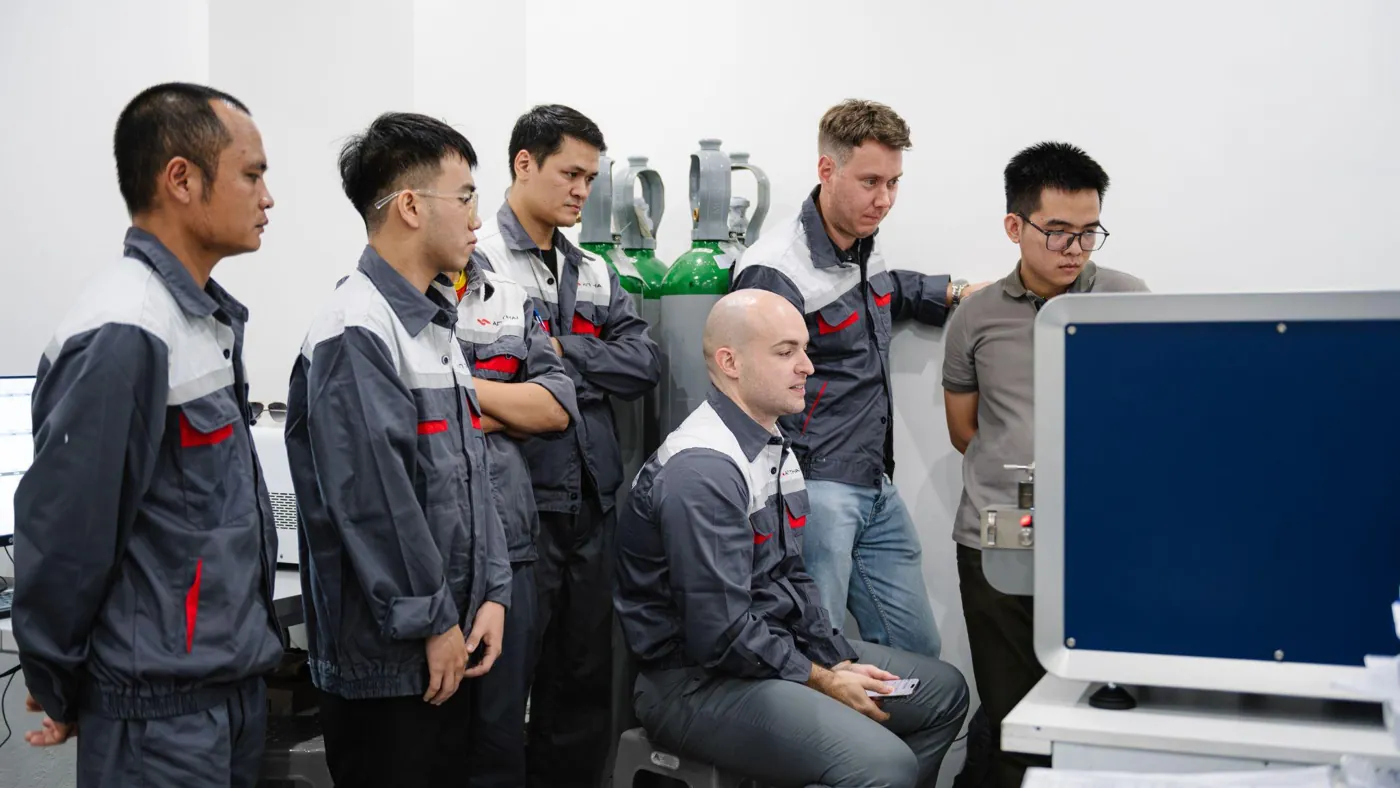
Ten technicians and engineers from the TBP Auto team took part alongside our director, drawn from melt control, the testing lab, and quality assurance. The two days split between classroom work and hands-on practice at the spark stand.
| Training module | What it covered |
|---|---|
| Sample preparation | Chill-cast sampling for gray iron, surface grinding, contamination control between samples |
| Instrument operation | Burn sequence, averaging repeat burns, reading results in SpArcfire |
| Standardization | Setting-up samples, correcting for drift, and when re-standardization is required |
| Calibration verification | Certified reference materials, matching the reference to gray iron, and record keeping |
| Maintenance | Spark stand cleaning, counter-electrode service, argon supply checks |
| Interpretation | Carbon equivalent, reading against grade requirements, correcting at the furnace |
Why the Chemistry Has to Be Right Before the Pour
SAE J431 grades gray iron on tensile strength, Brinell hardness, and the ratio between the two. G3500 asks for a minimum of 241 MPa with casting hardness of 207–255 HB.
The standard does not name a chemistry mix to get there. Our foundry works it out.
Composition governs microstructure, the grain and graphite structure formed as the iron solidifies, and microstructure governs the properties the grade measures.
Chemistry is also the last thing still open to correction. Once the iron leaves the furnace, its composition is fixed. Before that point, carbon equivalent (the combined measure of carbon, silicon, and phosphorus that governs how the iron solidifies) can still be brought onto target by adding material to adjust the melt.
The OE720 reads the full range of alloying and trace elements in iron in a single burn, which is what makes correcting at the furnace practical.
Setting the Accuracy of the Reading
Gray iron demands more of the sampling step than most alloys, which is why it took the largest share of the hands-on time.
The carbon figure depends on how the test sample was cooled. Iron left to cool slowly holds much of its carbon as graphite flakes, spread unevenly across the surface the spark reads. Cast into a chilled mold, the same iron locks that carbon into iron carbide, giving the uniform white iron surface a dependable reading requires.
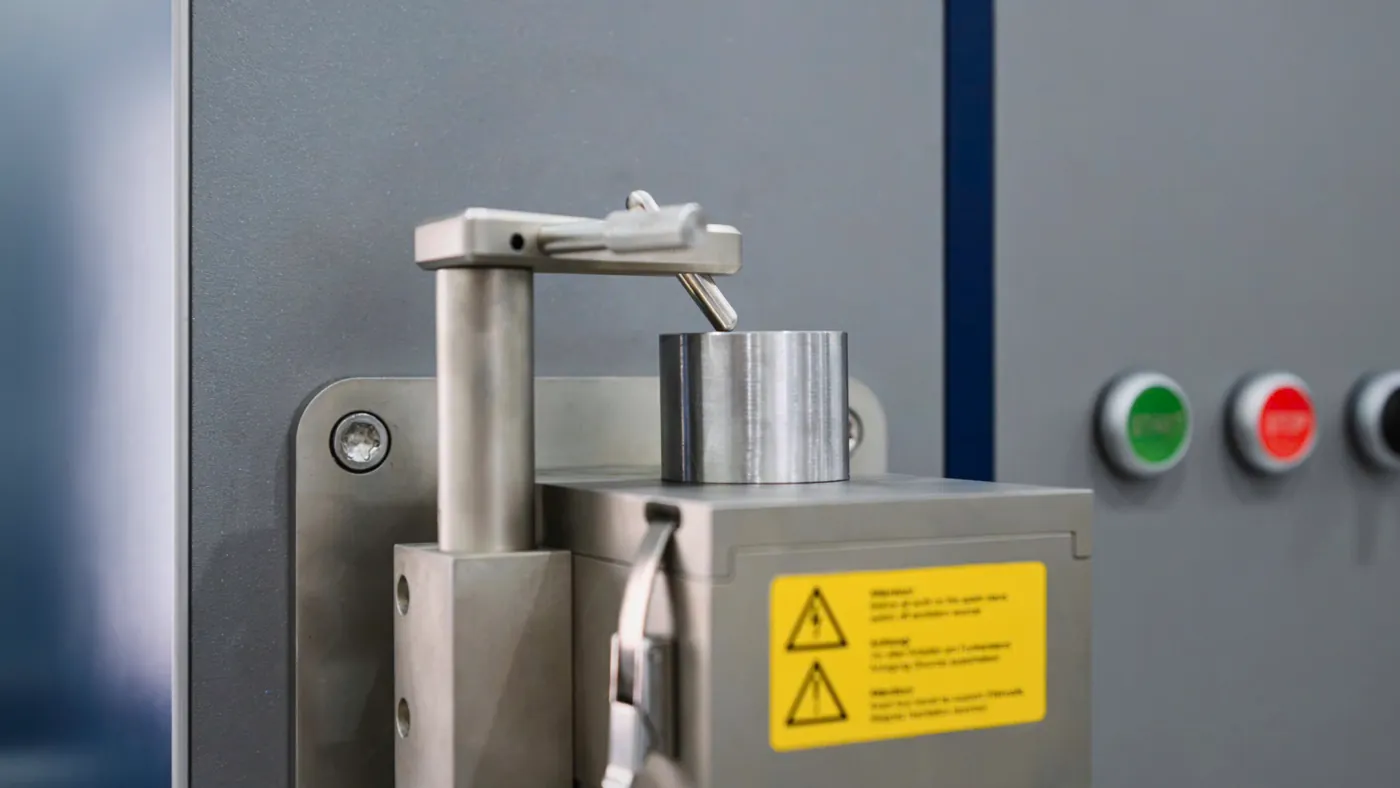
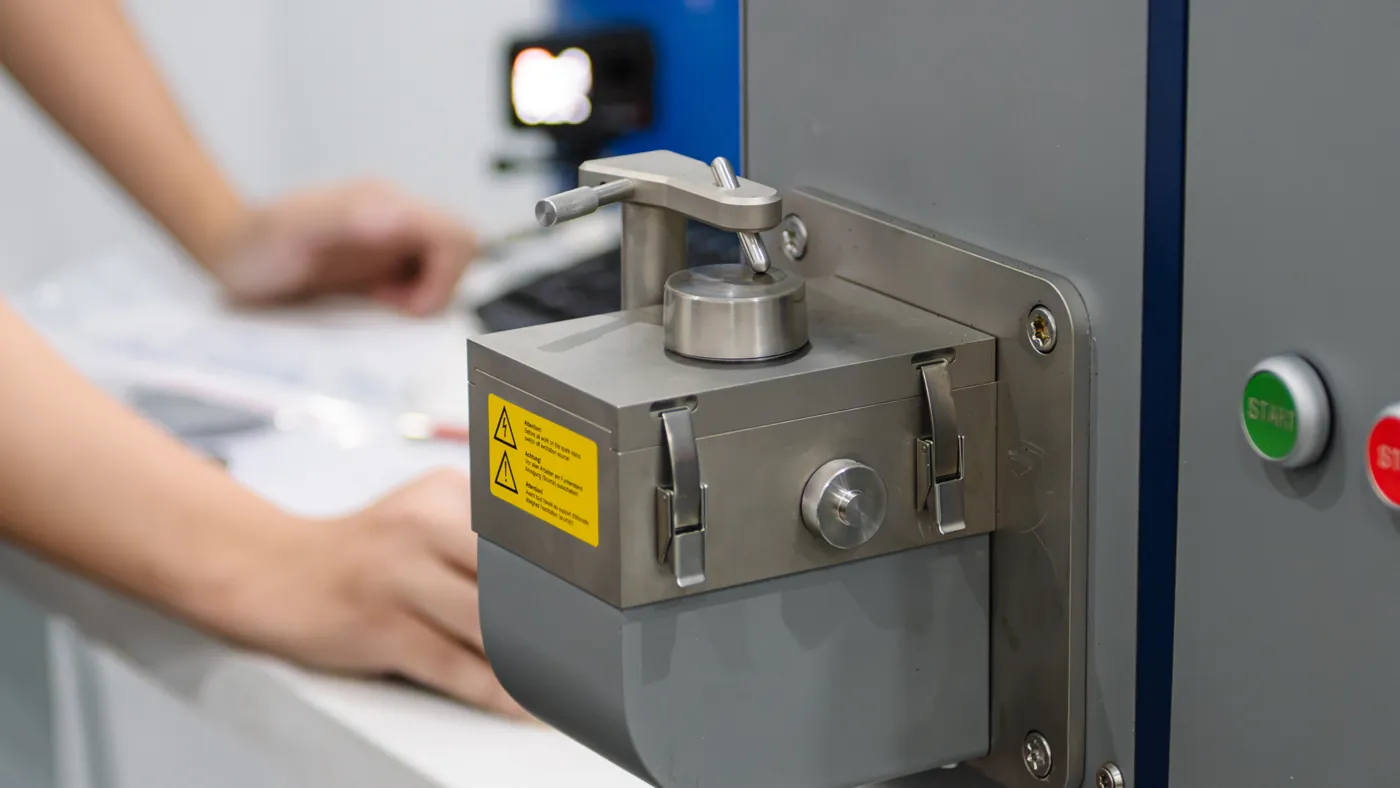
From there it is method, and the method is what the training drilled. The sample face is ground flat on fresh abrasive. Several burns are taken and averaged. The spark stand and counter-electrode are cleaned on schedule, and argon supply is checked, since the shielding gas forms part of the measurement.
Performance is then confirmed against certified reference materials matched to gray iron, so the instrument is measured against a known composition. Every result is recorded against its melt batch, alongside the hardness and tensile results for that batch.
Confidence in the Iron Before It Becomes a Casting
With the training complete, the OE720 now sits with a team who run the analysis, judge whether a result is trustworthy, and act on it at the furnace themselves. A reading that looks unusual is re-sampled and confirmed before the iron is poured.
Melt chemistry is the least visible part of a brake drum and among the most decisive. If you are qualifying a supplier, we can show you the melt records for the batches behind any order we ship, and the readings they came from.
Send us your part numbers or specs and we will come back with pricing, lead time and shipping options, usually within 24 hours. Request a quote or contact our team today.